



The Allure of Chance and Risk
The psychological allure of gambling is intricately woven into the thrill of uncertainty and the seductive nature of potential rewards. For many players, the unpredictability of casino games creates a captivating atmosphere that is impossible to resist. This excitement is amplified by the occasional wins, which reinforce the belief that luck is a substantial factor in their outcomes, especially when they explore options like 1win that offer various enticing features. As individuals experience the euphoric highs of winning, they often find themselves yearning for that adrenaline rush again, leading to a repetitive cycle of risk-taking behavior that can be both exhilarating and dangerous.
Cognitive biases significantly influence gamblers’ perceptions, leading them to misinterpret the nature of luck and probability. One common misconception is the “gambler’s fallacy,” where players believe that past results will somehow dictate future outcomes. This fallacy often causes individuals to chase their losses, convinced that their next bet will turn their fortunes around. Additionally, the “illusion of control” — the erroneous belief that players can influence outcomes in games of chance — further drives gambling behavior, making them more likely to take risks even when statistics are against them.
The architecture and design of casinos play a pivotal role in enhancing this psychological allure. Casinos are deliberately crafted to create an immersive experience, filled with bright lights, engaging sounds, and an atmosphere devoid of clocks, which contributes to a sense of timelessness. This environment heightens the addictive aspects of gambling, allowing players to lose track of both time and money as they become ensnared in a euphoric experience fueled by the anticipation of hitting a big win. Such elements combine to create a compelling atmosphere that keeps players returning, driven by the hope of replicating past successes.
The Social Dynamics of Gambling
Gambling transcends mere individual activity; it holds significant social implications that can dramatically shape how people engage with it. The communal aspect of playing in casinos fosters a stimulating social environment where individuals can experience a sense of belonging and camaraderie. The shared excitement surrounding wins and the collective tension felt during gameplay can forge bonds among players, enhancing their enjoyment and prompting return visits. However, this social dynamic can also lead to peer pressure, influencing individuals to gamble more than they might have intended.
The potential for addiction can be heightened in social settings, as the presence of friends or acquaintances may encourage individuals to gamble beyond their limits. The thrill associated with group betting often results in impulsive decisions that can lead to harmful gambling habits over time. When a person’s social identity becomes intertwined with their gambling behaviors, they may overlook the negative consequences of excessive betting, as the activity becomes a central component of their social life.
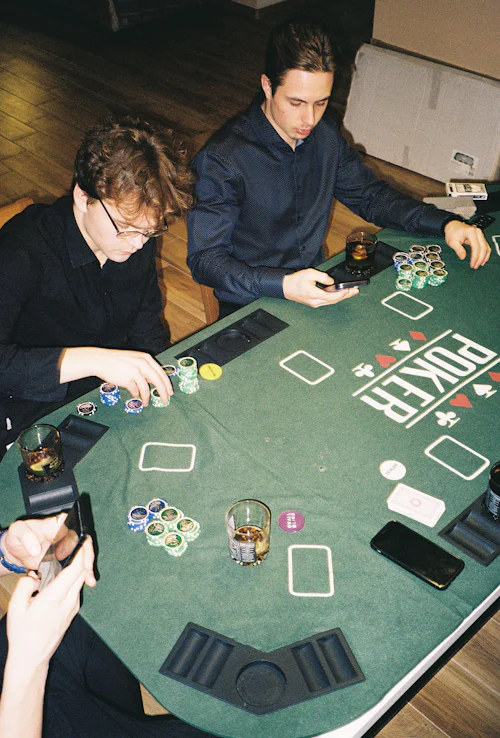
Moreover, casinos exploit this social dynamic by implementing loyalty programs and rewards that promote group participation. By incentivizing players to bring friends or partake in social gaming events, casinos reinforce the community aspect of gambling. This strategy not only boosts foot traffic but also creates a cohesive environment that binds players together, making it increasingly difficult for them to disengage from their gambling habits. Many individuals find themselves trapped in a cycle that is challenging to escape, leading to a complex interplay of social ties and gambling behavior.
The Emotional Rollercoaster of Gambling
The emotional trajectory of a gambler can be compared to a rollercoaster ride, characterized by exhilarating highs and crushing lows. The thrill that accompanies winning can evoke intense feelings of joy, euphoria, and accomplishment. Such powerful emotional responses often overshadow the negative feelings associated with losses, making it easier for individuals to justify their continued involvement in gambling activities. Winning can trigger the release of dopamine in the brain, reinforcing the behavior and creating a craving for more frequent gambling experiences.
However, the emotional consequences of gambling are not exclusively positive. Many gamblers face significant distress related to their losses, which can lead to feelings of anxiety, depression, and guilt. As individuals chase their losses, they often find themselves caught in a cycle of despair, exacerbating their emotional struggles. The fallout from gambling can have severe repercussions, affecting relationships, job performance, and overall quality of life. Recognizing the full spectrum of emotions involved in gambling is crucial for understanding when intervention or support may be necessary.
The cyclical nature of emotional highs and lows is integral to the development of gambling addiction. The anticipation and excitement that come with placing a bet can become addictive in their own right, as individuals begin to crave those fleeting moments of thrill. As emotional investment deepens, the stakes rise, often transcending financial considerations. This volatility makes it increasingly difficult for players to step back from gambling, as they continuously seek to recapture the exhilaration of earlier wins while managing the emotional fallout of their losses.
The Influence of Environment on Gambling Behavior
The environment within a casino significantly impacts gambling behaviors, shaping how players interact with games and each other. Elements such as lighting, sound, layout, and the design of gaming machines are meticulously crafted to enhance engagement and prolong the gambling experience. For example, slot machines are often adorned with bright, eye-catching lights and catchy sounds that evoke positive emotions, keeping players engaged. This sensory overload can create a hypnotic effect that encourages individuals to keep playing, blurring the line between enjoyment and compulsion.
Furthermore, the strategic positioning of games and amenities within a casino can profoundly influence gambling habits. High-stakes games are typically situated in more secluded areas, enticing players willing to spend larger sums, while low-stakes games are often located near entrances to attract casual gamblers. This layout maximizes traffic flow and potential engagement with various games. The constant buzz of activity can create an atmosphere charged with excitement, prompting players to immerse themselves further in the gambling environment.
The social dynamics present in the casino environment also reinforce gambling behavior. Observing others win or lose can create a contagious energy that influences individual betting actions. This peer dynamic can lead to impulsive choices, swayed by the actions and attitudes of those around them. Additionally, the presence of friendly staff and entertainers enhances the overall experience, making individuals more likely to gamble, even when they might otherwise consider stopping. Ultimately, the casino environment serves as a critical factor in the complex psychology of gambling.
Understanding Your Relationship with Gambling
For individuals who engage in gambling, a deep understanding of their motivations is essential for navigating their relationship with the activity. Recognizing the reasons behind their gambling can provide invaluable insights into how they interact with games of chance. Some individuals may gamble for the thrill of competition, while others might seek an escape from life’s pressures. Identifying these underlying motivations can help individuals recognize when gambling becomes unhealthy or detrimental to their well-being.
Establishing personal limits is a crucial strategy for maintaining a balanced approach to gambling. Individuals can benefit from setting clear boundaries regarding the amount of time and money they are willing to spend on gambling activities. By consciously defining these limits, players can enjoy the excitement without risking significant personal or financial harm. This proactive approach can mitigate the potential for developing compulsive gambling habits and promote responsible gaming practices.
Engaging in open discussions with friends or family about gambling habits can provide additional accountability. Sharing experiences and concerns fosters mutual understanding of the risks involved, creating a support system that encourages responsible gambling. Whether through informal conversations or structured support groups, these dialogues can facilitate a healthier perspective on gambling and inspire meaningful change for those grappling with their habits.